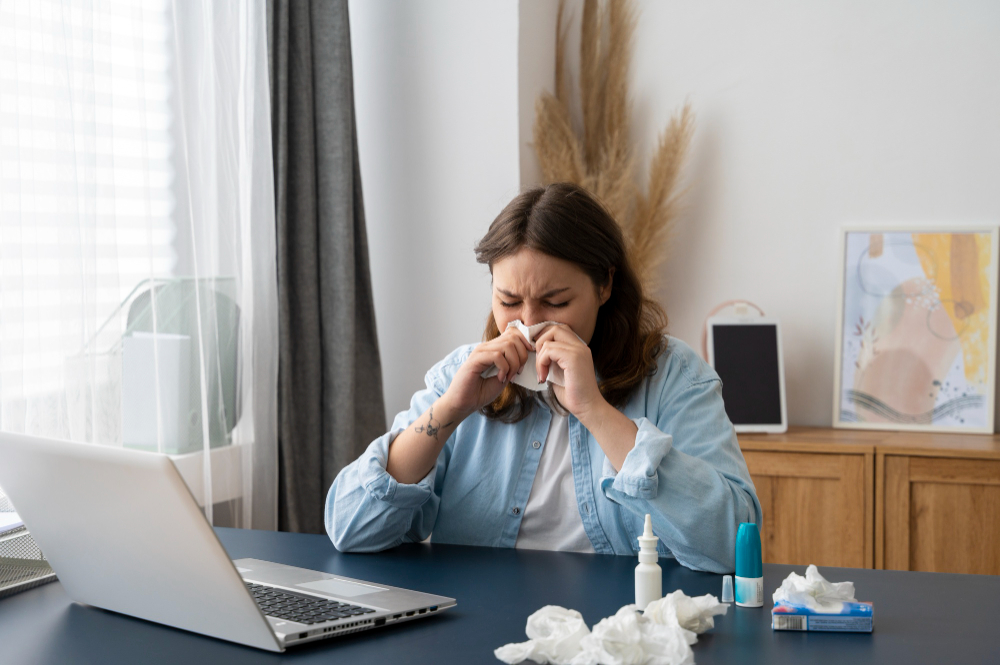
Respiratory allergies can make daily life uncomfortable. They cause sneezing, coughing, and trouble breathing. However, with the right preventive measures for respiratory allergies, you can lower your risk. Because prevention is key, learning how to avoid triggers helps you breathe easier. This guide shares expert advice from pulmonologists on how to protect yourself and your family.
What Are Respiratory Allergies?
Respiratory allergies affect your nose, throat, and lungs. They happen when your body reacts to things in the air. For example, pollen, dust, or pet dander can cause these reactions. When you breathe in these triggers, your immune system overreacts. As a result, you may feel stuffy, sneeze, or have itchy eyes.
Common Triggers of Respiratory Allergies
Many things in your environment can set off respiratory allergies. Because triggers can be different for everyone, it helps to know the most common ones:
Even though triggers can vary by location, these are common in many cities and rural areas alike.
Why Prevention Matters
Preventing respiratory allergies is important for your health. Not only can allergies make you feel tired, but they can also lead to asthma or other lung problems. For children and older adults, allergies may cause more severe symptoms. Because of this, pulmonologists stress the need for early prevention. The World Health Organization notes that reducing exposure to triggers lowers the chance of allergy attacks. In addition, prevention helps you avoid missed work or school days.
Effective Preventive Measures
Taking steps to prevent respiratory allergies can make a big difference. Since everyone’s triggers are unique, you may need to try several methods. Below are expert tips from pulmonologists.
Home Environment Tips
Because small changes add up, these steps can lower allergy risks at home.
Outdoor Precautions
Because outdoor triggers are hard to control, these habits help reduce your exposure.
Personal Habits and Hygiene
Since personal habits play a big role, these steps can help you stay healthy year-round.
When to Seek Medical Advice
Sometimes, preventive measures for respiratory allergies are not enough. If you have trouble breathing, wheezing, or your symptoms last more than a few weeks, see a doctor. In particular, pulmonologists can help you find the right treatment. If you live in areas with high pollution or pollen, regular check-ups are even more important. Always seek help if you notice new or severe symptoms.
Conclusion:
Respiratory allergies can trigger symptoms like sneezing, coughing, wheezing, and breathing discomfort. Identifying triggers, maintaining a clean environment, and following preventive measures can help reduce symptoms and support better lung health.
Experiencing recurring allergy-related breathing problems?
Consult Franks Meta Lung Klinics for expert evaluation and personalised respiratory care.